Like any powerful technology, AI can serve many purposes. Defence. Entertainment. Sport. Finance. It can also be misused through cyberattacks, unauthorised access to sensitive information and activities threatening public trust. Misuse is already evident, including attacks on websites like Hugging Face and Australian healthcare databases. The important question is whether enough people will use these extraordinary capabilities to achieve great things for humanity. For me, few opportunities are greater than using AI to improve human health and cancer outcomes.
We have spent decades building the foundations of modern genomics and precision medicine. We now have an extraordinary opportunity to turn that knowledge into treatments at a previously unimaginable scale and speed. There will be challenges. We have to ensure AI-generated discoveries are reproducible, experimental results reliable and new treatments developed safely. Scientists and clinicians must also have the skills and confidence to use these technologies. This is why the genomics and biodata community has such an important role.
We can help ambitious AI science projects succeed. We can encourage scientists to learn new skills. We can bring together expertise to translate technological advances into meaningful benefits for patients using agentic AI scientists. The future of science will increasingly involve humans working alongside AI scientists, combining human creativity, judgement and purpose with the analytical and experimental capabilities of machines. If we succeed, the greatest beneficiaries will be communities around the world facing cancer and other serious diseases.
The age of agentic AI scientists has arrived. The opportunity is ours to use. And what better purpose could there be than bringing humanity and AI together to address our greatest scientific challenges and improve lives around the world?
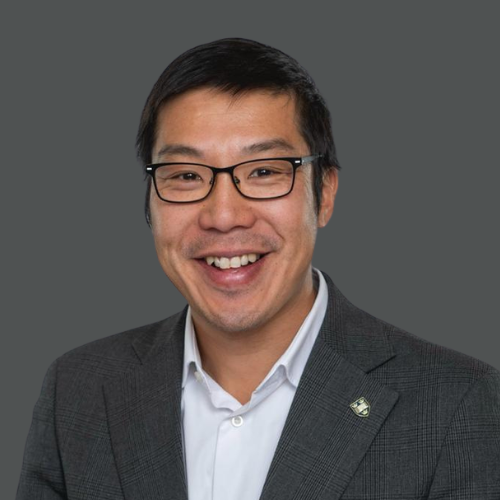
If you are interested in hearing more about the future of AI scientists, catch Lennard’s talk titled “The AI Revolution After the Genome: How AI Is Inventing Genetically Enabled Medicines” at The Festival of Genomics & Biodata in London on the 27th of January